

Ozempic Risks 2026: Side Effects, Safety Concerns and Why Doctors Need Better Training
Written by Xpeer,
Category: Digital Health & Omnichannel
Ozempic (semaglutide) has become one of the most talked-about medicines in recent years.
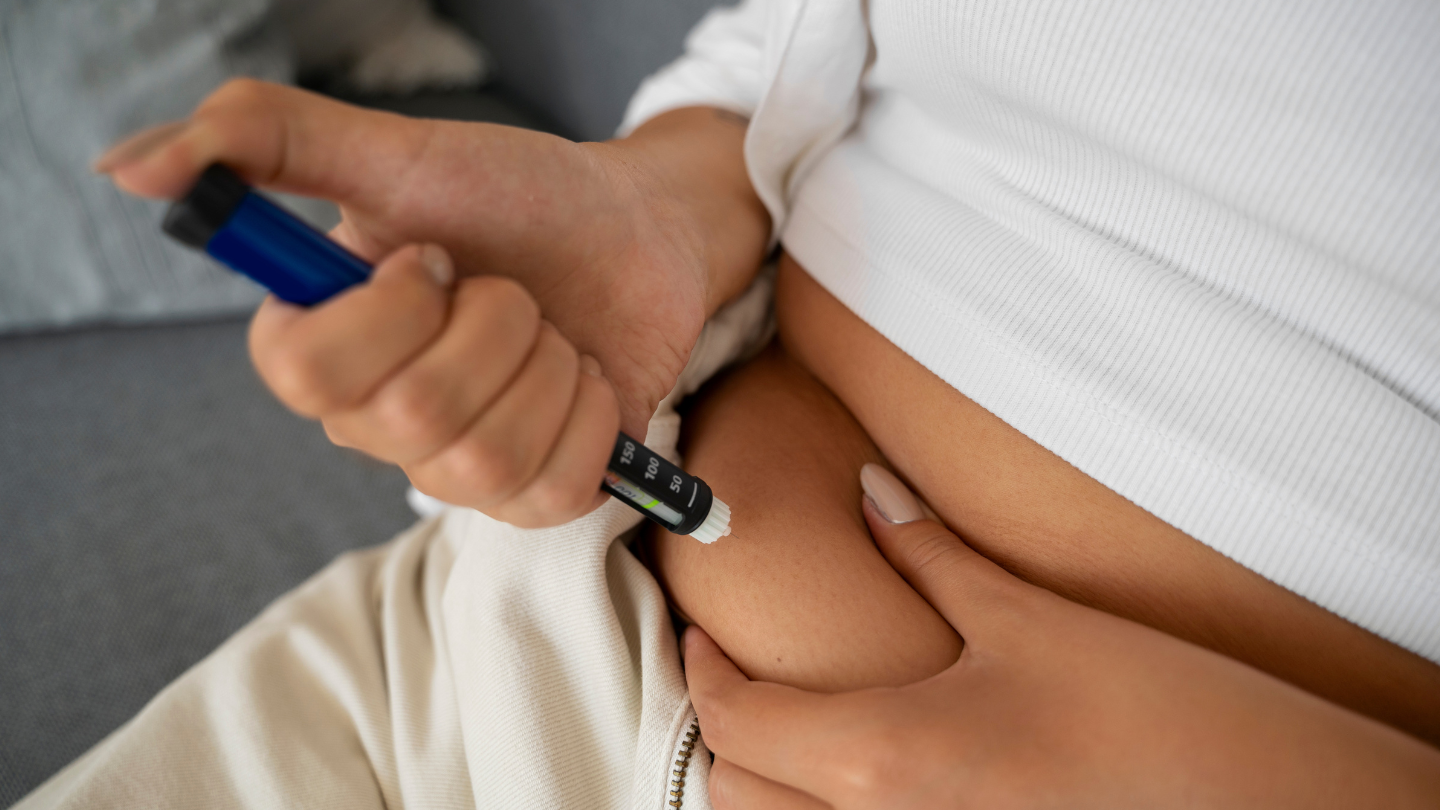
A medicine under the spotlight
Ozempic (semaglutide) has rapidly moved from being a treatment for type 2 diabetes to becoming a global headline due to its effects on weight loss. Its popularity has skyrocketed, but so have the questions and controversies surrounding it. From safety concerns to unauthorised versions of the drug, Ozempic sits at the centre of a heated debate in 2025.
Key concerns surrounding Ozempic
Gastrointestinal side effects
Reports of persistent nausea, vomiting, abdominal pain, gastroparesis, and bowel obstruction (ileus) have raised alarm. The FDA added safety warnings to Ozempic’s official label regarding intestinal obstruction.
Emerging risks for vision
In 2025, regulators and researchers highlighted a potential link between semaglutide and non-arteritic anterior ischaemic optic neuropathy (NAION), a rare condition that can cause sudden and irreversible vision loss.A major international study published in JAMA Ophthalmology suggested a small but measurable increase in risk, although the authors stressed the limitations and the need for further research.
The problem of unauthorised versions
Another growing issue is the circulation of compounded or unapproved versions of semaglutide in pharmacies and telemedicine clinics. These products are not regulated and may contain incorrect doses or untested ingredients, adding significant safety risks.
Ongoing litigation
In the United States, thousands of patients have filed lawsuits over alleged injuries linked to semaglutide, particularly gastrointestinal and ocular problems. These cases are being handled in the Multidistrict Litigation (MDL 3094) in Pennsylvania【turn1search5†source】.
It is important to note that this is not a final verdict, but a process where evidence is still being examined.
Why there is still so little clear information
One of the biggest problems is the lack of consistent, accessible information:
- Clinical trials confirm efficacy for diabetes and weight management, but long-term data are limited.
- Safety reports often rely on observational studies or individual case reports, which cannot prove causality.
- The media mix scientific findings, lawsuits, and hype around weight loss, creating a climate of confusion for patients and professionals alike.
This information gap makes it harder for doctors to give clear, evidence-based advice to their patients.
Why doctors need specialised training
The rise of Ozempic highlights a pressing need for ongoing medical education. It is not just about prescribing; it is about knowing how to detect early warning signs, manage complications, and communicate risks responsibly.
What medical training should cover
- Pharmacology of GLP-1 receptor agonists: how they work, their benefits and limitations.
- Recognition of adverse effects: from gastrointestinal problems to sudden vision loss.
- Referral criteria: when to stop treatment and involve specialists.
- Safe prescribing: adherence to official indications and avoiding unauthorised supply chains.
- Patient communication: realistic expectations and informed consent.
- Pharmacovigilance: active reporting of suspected side effects to national systems such as MHRA Yellow Card (UK), NotificaRAM (Spain), or MedWatch (US).
Conclusion
Ozempic represents both a medical opportunity and a regulatory challenge. It is effective, but surrounded by ongoing debates about safety, unauthorised versions, and limited long-term evidence.
In this uncertain landscape, the solution is not alarmism but training, vigilance, and responsible prescribing. Doctors need the tools to manage patients effectively, distinguish fact from speculation, and communicate risks without causing unnecessary fear.
References
- U.S. Food & Drug Administration (FDA). FDA’s Concerns with Unapproved GLP-1 Drugs Used for Weight Loss. 2025. Available at: https://www.fda.gov/drugs/postmarket-drug-safety-information-patients-and-providers/fdas-concerns-unapproved-glp-1-drugs-used-weight-loss
- Agencia Española de Medicamentos y Productos Sanitarios (AEMPS). La AEMPS informa de una reacción adversa ocular muy infrecuente en pacientes tratados con semaglutida. June 2025. Available at: https://www.aemps.gob.es/informa/la-aemps-informa-de-una-reaccion-adversa-ocular-muy-infrecuente-en-pacientes-tratados-con-semaglutida/
- Pharmaphorum. Novo Nordisk joins Lilly in asking FDA to ban GLP-1 compounding. 2024. Available at: https://pharmaphorum.com/news/novo-joins-lilly-asking-fda-ban-glp-1-compounding
- PharmExec. Impact of the FDA ban on compounded GLP-1s such as semaglutide. 2024. Available at: https://www.pharmexec.com/view/impact-fda-ban-compounded-glp1-olympia
- Huffington Post España. La EMA alerta sobre un tipo de ceguera como efecto secundario raro de fármacos como Ozempic. 2025. Available at: https://www.huffingtonpost.es/life/salud/la-ema-alerta-tipo-ceguera-efecto-secundario-raro-farmacos-ozempic.html
- Wikipedia. Semaglutide. Updated 2025. Available at: https://en.wikipedia.org/wiki/Semaglutide
- Wikipedia. GLP-1 receptor agonist. Updated 2025. Available at: https://en.wikipedia.org/wiki/GLP-1_receptor_agonist
This article is intended for informational purposes only. It does not replace professional medical education, training, or advice. Doctors and healthcare professionals should rely on official prescribing information and accredited medical training programmes when making clinical decisions.