

Communication with people with dementia: What Olivier’s case showed us
Written by Maria Fernanda Cedillo,
Category: Endocrinology & Diabetes
Effective communication with people with dementia improves care quality. Discover key strategies to connect and support patients empathetically.
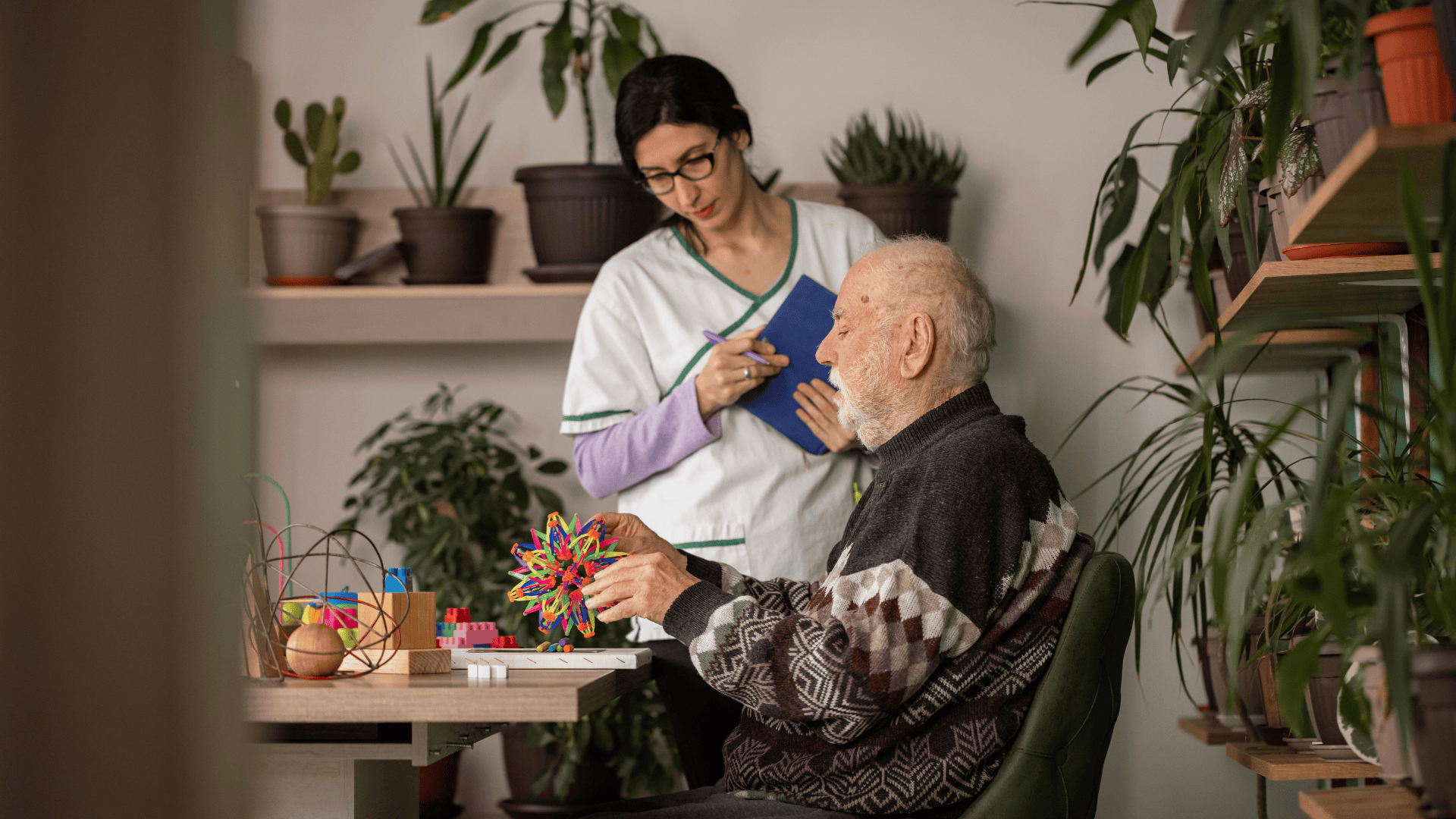
Communication with people with dementia can be challenging. Maria’s grandfather, Olivier, was diagnosed with dementia three years ago. Recently, she asked him about his children, hoping to spark a conversation about her mother. Olivier replied firmly, “I don’t have any children.” Maria assumed he had forgotten his family altogether. But after speaking with his doctor, she realized the issue wasn’t memory loss, it was communication.
Olivier’s response made sense when viewed literally. He no longer considered his grown daughter a “child.” Instead, asking, “Olivier, how is your daughter Ana doing?” would have led to a different outcome. This small adjustment transformed how Maria interacted with him and highlights a vital skill for healthcare professionals managing dementia care.
Dementia: A growing challenge
Every three seconds, someone in the world develops dementia. According to Alzheimer’s Disease International, over 55 million people live with dementia globally, a number projected to rise dramatically in the coming years. This growing prevalence underscores the importance of equipping yourself with the skills needed to communicate effectively with these patients.
Understanding cognitive changes to improve communication with people with dementia
How often do you consider the way dementia reshapes cognition when communicating with your patients? Dementia impairs memory, language comprehension, and the ability to express thoughts clearly. Frustration, anxiety, and diminished self-esteem often compound these challenges, making meaningful conversations difficult.
To foster trust and promote your patient’s well-being, it’s essential to recognize these barriers. Simplified language, context-specific questions, and a person-centred approach can significantly improve communication outcomes.
Strategies to enhance communication with people with dementia
Adapting your communication techniques to the unique needs of patients with dementia can transform their care experience. Here are some practical strategies to consider:
1. Be specific and direct
Have you noticed how vague or abstract questions confuse patients? Instead of asking, “How are you?” try, “Did you enjoy your breakfast today?” This clarity helps them focus on a single, manageable idea.
2. Use visual cues and nonverbal communication
Patients with dementia often respond better to gestures, facial expressions, and visual aids. Demonstrating what you’re saying reinforces understanding and builds rapport.
3. Practice active listening
How do you show your patients that their words matter? Being patient, maintaining eye contact, and giving them time to respond can make all the difference. Acknowledge their efforts, even if their answer seems unrelated.
4. Create a supportive environment
Have you minimized distractions during your conversations? Speaking slowly, using short sentences, and ensuring the patient feels comfortable can reduce anxiety and improve interactions.
The role of empathy in patient care
Empathy is at the core of effective communication with people with dementia. How often do you validate their feelings and guide conversations gently? Instead of correcting a patient who misremembers an event, focus on their emotions. Validation techniques can de-escalate frustration and foster a sense of security.
Benefits of communication with people with dementia
Applying these strategies doesn’t just improve communication; it enhances overall care. When patients feel understood, they’re more likely to cooperate with treatments. For caregivers, these approaches reduce stress and build stronger connections. Clear communication also prevents misunderstandings that could lead to unnecessary interventions.
Bridging the gap: Training for health professionals
Courses like Strategies for effective communication with people with dementia equip you with practical tools to navigate these challenges. Emphasizing person-centred care, this program provides actionable insights to improve your patient interactions and outcomes.
In a world where someone develops dementia every three seconds, mastering these skills isn’t optional but essential.