

COPD management: A general practitioner’s perspective
Written by Maria Fernanda Cedillo,
Category: Endocrinology & Diabetes
Through a case study, learn how GPs diagnose and treat COPD effectively to improve patient outcomes.
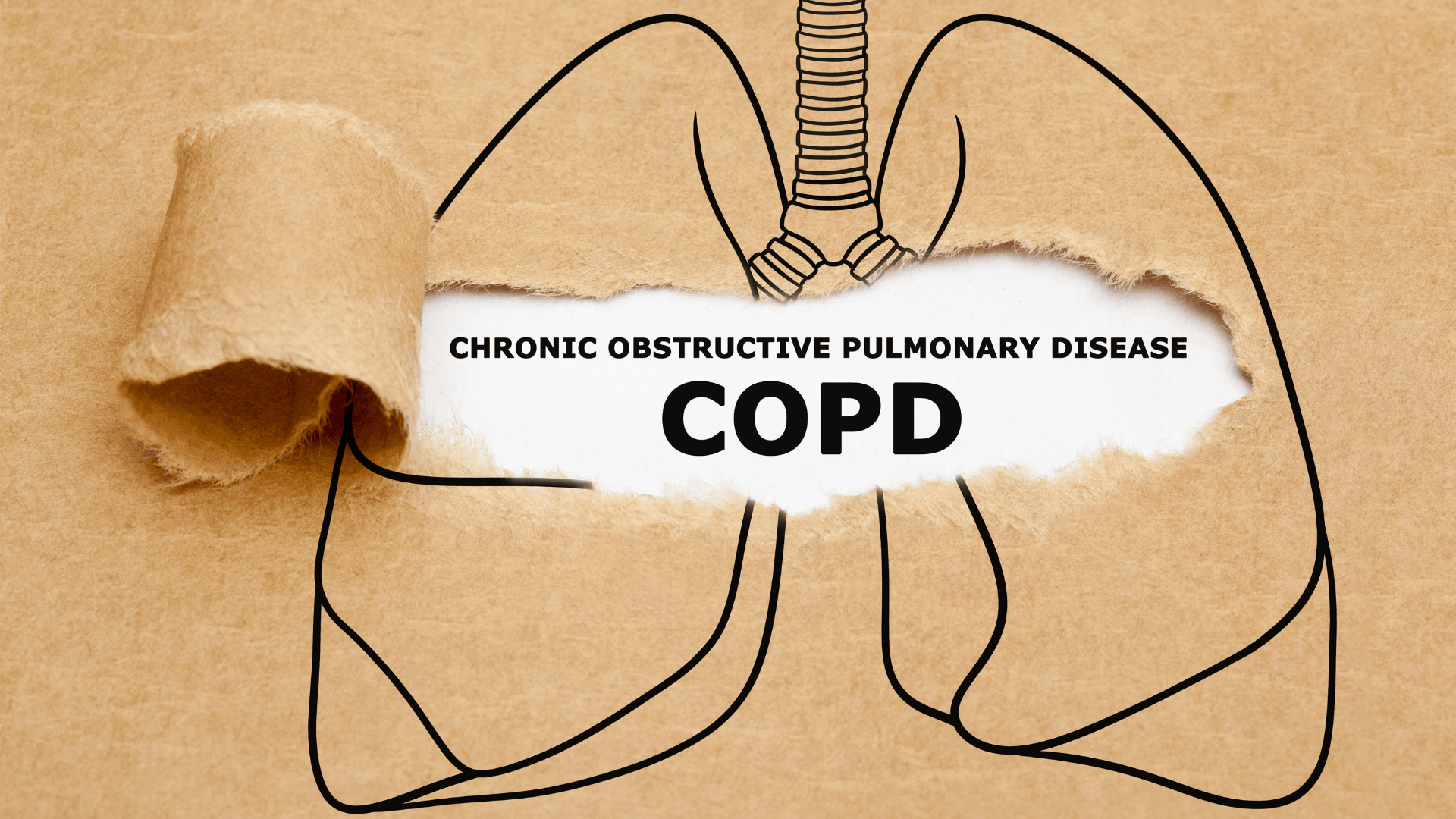
Chronic Obstructive Pulmonary Disease (COPD) is a progressive condition that requires early detection and appropriate management to improve patient outcomes. As general practitioners (GPs), we play a pivotal role in identifying COPD, initiating treatment, and providing ongoing care. Let’s explore a real-life case that highlights the importance of COPD care in primary care.
A case of COPD in primary care
A 55 year-old male presents with progressive dyspnea over the past year. An active smoker with a 25 pack-year history, he reports increased breathlessness during weekly family walks and persistent cough with white phlegm for the past four months. A recent cardiovascular examination showed no abnormalities, and he is not on any medication.
These symptoms strongly suggest COPD, a diagnosis that GPs can establish early through clinical evaluation and spirometry. Early recognition is crucial to slow disease progression and enhance quality of life.

Diagnosing COPD in general practice
COPD diagnosis relies on three essential components:
- Clinical symptoms: Persistent cough, sputum production, and progressive breathlessness.
- Risk factors: Tobacco smoking remains the primary cause, but environmental exposures, infections, and genetic predispositions should also be considered.
- Spirometry: Demonstrating an obstructive pattern (FEV1/FVC < 70%) confirms the diagnosis.
GPs should routinely perform spirometry in at-risk patients to differentiate COPD from other respiratory conditions like asthma. Unlike asthma, COPD presents with irreversible airflow limitation and persistent symptoms.
Choosing the right COPD treatment strategy
Effective COPD management begins with pharmacological treatment tailored to the patient’s severity and symptom burden. In this case, the patient has not yet received any treatment. Based on GOLD guidelines, initial therapy should prioritize bronchodilation:
- Long-acting bronchodilators (LABA/LAMA combination) – These improve lung function, reduce exacerbations, and enhance exercise capacity.
- Short-acting bronchodilators (SABA/SAMA) for rescue therapy – Used as needed for symptom relief.
- Inhaled corticosteroids (ICS) – Considered for patients with frequent exacerbations or significant eosinophilia.
Current guidelines favor LABA/LAMA over short-acting bronchodilators for maintenance therapy. The combination offers superior symptom control and prevents exacerbations more effectively than monotherapy.
Beyond pharmacological COPD treatment: Lifestyle and prevention
GPs must also emphasize non-pharmacological interventions, including:
- Smoking cessation: The single most effective intervention to slow disease progression.
- Pulmonary rehabilitation: Improves exercise tolerance and quality of life.
- Vaccination: Annual influenza and pneumococcal vaccines reduce exacerbations.
- Patient education: Ensuring proper inhaler technique and adherence to therapy.
Conclusion on COPD management in primary care
This case underscores the critical role of GPs in diagnosing and managing COPD early. A proactive approach, integrating spirometry, guideline-directed therapy, and lifestyle modifications, is essential to improving patient outcomes. COPD care is not merely a specialist’s concern—primary care physicians must lead the fight against this prevalent and debilitating disease.
If you are a healthcare professional looking to expand your knowledge on this topic, we invite you to take this free course led by expert Pascal Van Bleyenbergh, MD, Pneumologist and Head of Clinic Respiratory Department at UZ Leuven, Belgium. Don’t miss this UEMS-accredited course, available completely free of charge!