

Diabetes and CKD: Unveiling the global health crisis
Written by Maria Fernanda Cedillo,
Category: Endocrinology & Diabetes
The global health landscape faces a critical challenge: the increasing prevalence of diabetes and chronic kidney disease (CKD).
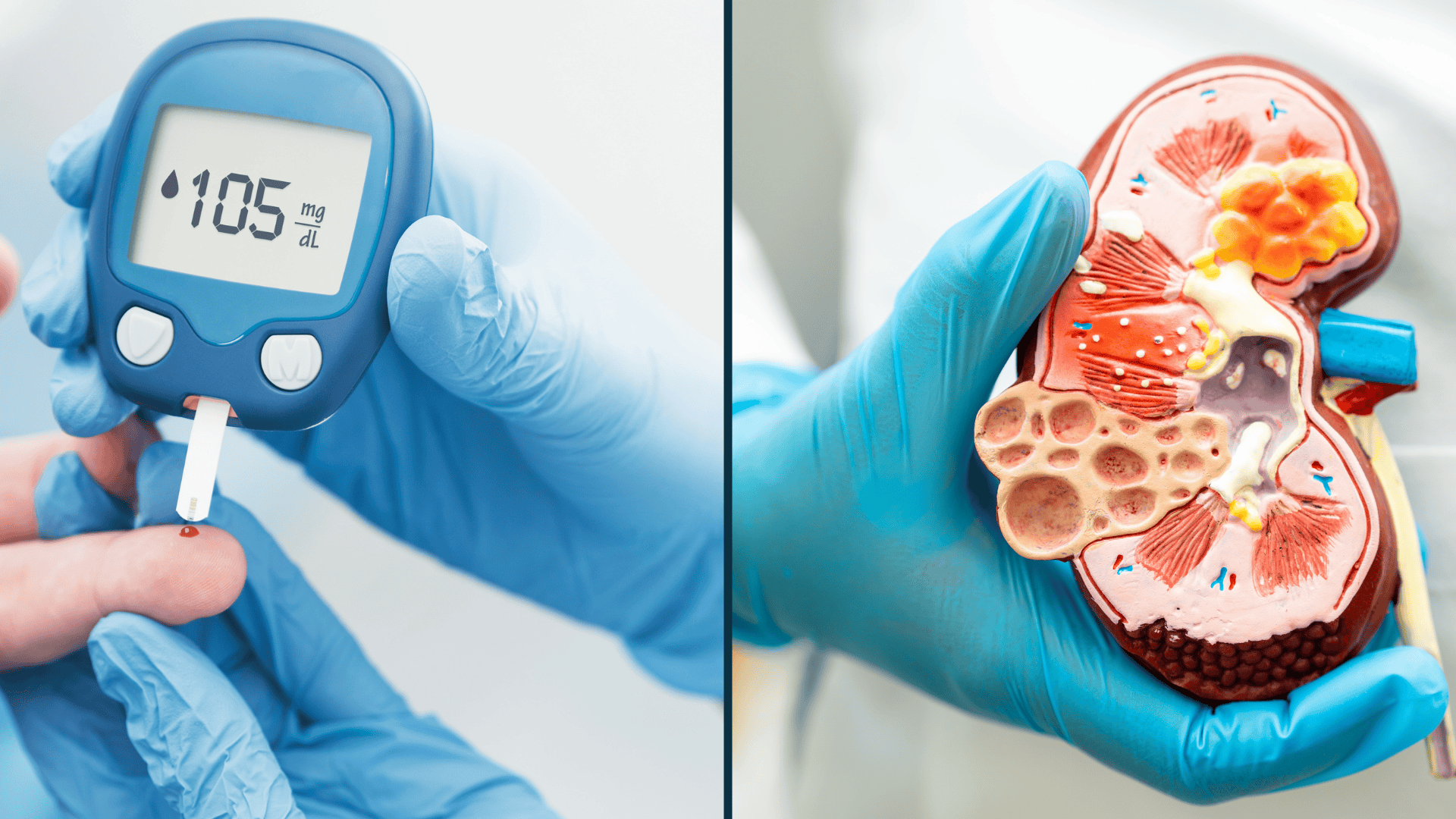
These interconnected conditions demand urgent attention from healthcare professionals worldwide.
Diabetes and CKD: A growing epidemic
Currently, over 537 million people worldwide live with diabetes, predominantly type 2. Projections indicate a sharp rise to 643 million by 2030 and an alarming 783 million by 2045 among adults aged 20-75 years. This growth spans all continents, illustrating a universal crisis. Effective interventions are needed to halt this trajectory.
Chronic kidney disease: An escalating burden
CKD affects approximately 1 in 10 adults globally, translating to 850 million cases. Its prevalence continues to worsen due to two primary factors: the increasing incidence of diabetes and an aging global population. CKD remains a silent epidemic, often diagnosed in advanced stages.
The association between diabetes and CKD
The link between these conditions is undeniable. Diabetes ranks as a leading cause of CKD, and their coexistence worsens patient outcomes. Complications such as cardiovascular events and higher mortality rates are more frequent in individuals with both conditions. Early diagnosis and integrated care are essential to mitigate these risks.
Vulnerable populations: A dual challenge
Certain populations bear a disproportionate burden of diabetes and CKD. Older adults, individuals with low socioeconomic status, and those with limited healthcare access face unique challenges. For example, these groups often experience delayed diagnosis and suboptimal management. Understanding their specific needs is vital for designing effective interventions.
Addressing the crisis: Join our course
The relationship between diabetes and CKD highlights the need for a multidisciplinary approach to improve outcomes. Our course, “Diabetes in CKD and other vulnerable populations”, accredited by the UEMS, offers a comprehensive overview of these interconnected conditions. Learn about epidemiology, screening objectives, and strategies to reduce morbidity and mortality. Equip yourself with the tools to make a difference in clinical practice. Join us to enhance your understanding and improve patient care. Together, we can address this global health crisis.