

What if gut microbiota was the hidden key?
Written by Maria Fernanda Cedillo,
Category: Endocrinology & Diabetes
Gut microbiota is more than digestion. It shapes brain health, skin balance, immunity, and hormones. Understanding its systemic role is essential for modern medicine.
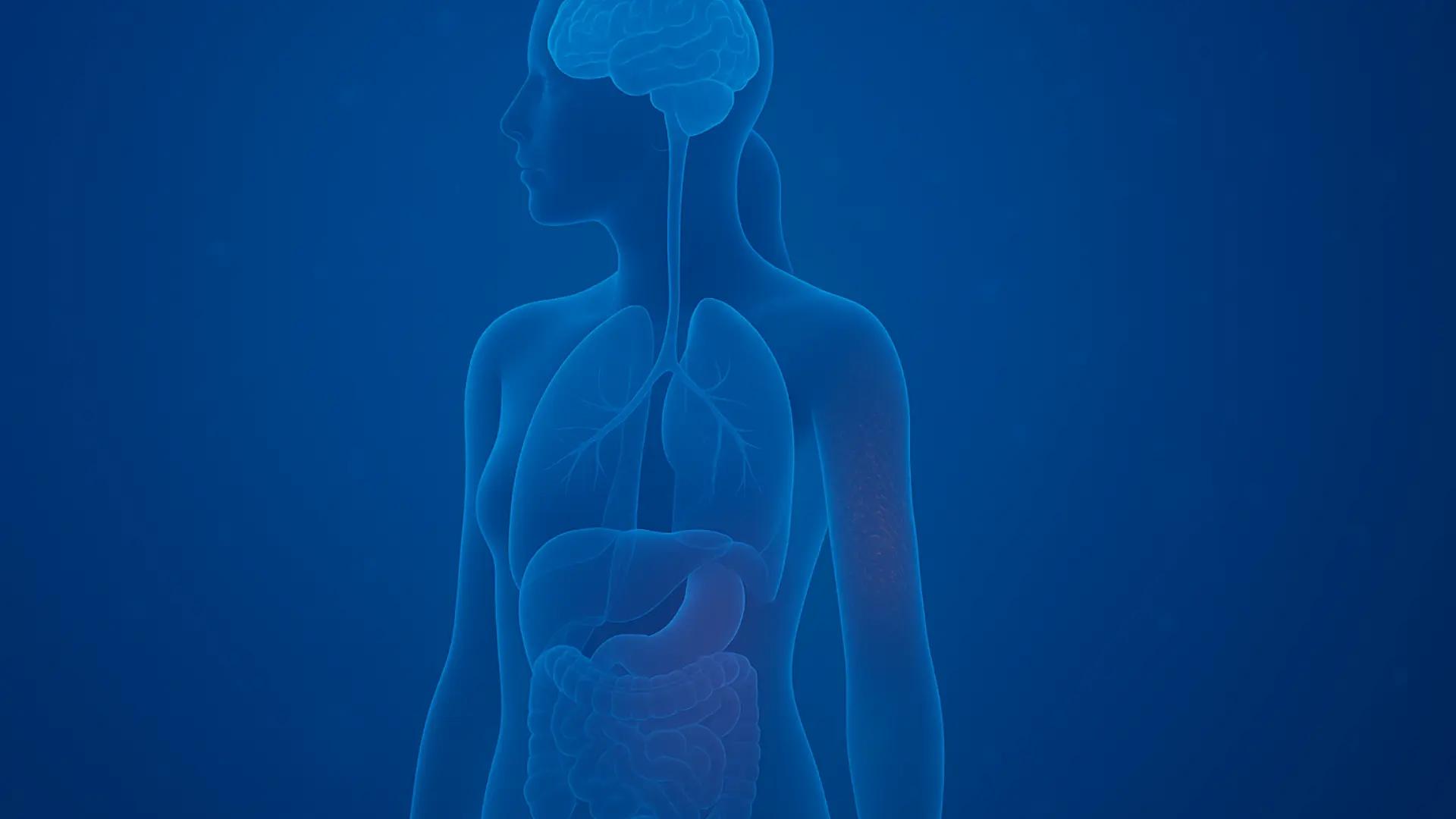
For decades, experts viewed gut microbiota as a digestive helper. However, current research reveals a much broader role. It influences not just the gut, but also brain function, immune regulation, skin conditions, and even hormone balance.
If you’re a healthcare professional, now is the time to explore this ecosystem as a whole—not in isolated systems.
Gut microbiota: a tiny ecosystem with massive systemic impact
The gut microbiota acts like an organ. It does not simply coexist; it actively shapes our health. In fact, recent studies published in Nature Reviews Microbiology (2024) show strong associations between microbial imbalance and chronic inflammatory, metabolic, and psychiatric conditions.
Moreover, scientists continue to uncover how the gut-brain axis allows microbiota to influence neurotransmitters like serotonin and GABA. As a result, depression, anxiety, and even neurodegeneration may connect directly to the microbial world in our intestines.
Understanding gut microbiota across five key systems
To gain real clinical insight, professionals must go beyond digestion. That’s why Xpeer’s offers training in five critical and interconnected areas of health:
1. The gut-brain axis and systemic effects
The gut-brain connection operates through neural, hormonal, and immune pathways. Studies from the NIH (2024) show that specific bacterial strains can reduce anxiety and influence emotional regulation. Consequently, new treatment approaches now consider microbial profiles as therapeutic targets.
2. Microbiota in early life and pediatric health
Early life colonization sets the foundation for long-term health. The first 1,000 days, starting from birth, are critical. During this time, gut microbiota shapes the immune system, metabolism, and even brain development. A growing number of pediatricians integrate microbiota strategies to prevent allergies, obesity, and autoimmune disorders.
3. Women’s health and hormonal regulation
The vaginal microbiota plays an essential role in reproductive health. It protects against infections and supports fertility. Changes during puberty, pregnancy, and menopause affect the microbiota dramatically. Therefore, understanding this dynamic is vital for obstetrics and gynecology.
4. Gut and digestive health: the starting point
Of course, gut health remains the most well known application. Clinicians treat IBS, IBD, and food intolerances by targeting microbial balance. Moreover, probiotics, prebiotics, and microbiota transplants are gaining traction in GI therapy.
5. Skin and dermatology: the microbiome’s outer frontier
The skin has its own microbiome. Recent studies link imbalances to conditions like acne, eczema, and psoriasis. Interestingly, these issues often trace back to gut dysfunction, highlighting the skin-gut connection. Dermatologists now consider systemic interventions involving gut health.
Why healthcare professionals must take a full spectrum view
Ignoring these connections limits your clinical understanding. Gut microbiota does not respect medical silos. Instead, it interacts with multiple systems at once.
“The gut talks to the brain, the skin, the immune system, and the hormones. Microbiota is the language.”
This is why Xpeer built an integrative educational pathway. It’s designed to help you treat patients holistically, across specialties.
Learn with Xpeer and transform your clinical practice
Join a growing community of clinicians who view gut microbiota through a modern lens. Our expert led courses are accredited, bite sized, and focused on real-world medicine.
CME-accredited. Mobile-friendly. Free to start.
Open your free Xpeer account now and explore the complete Microbiota series.