

Treatment for Actinic Keratoses: A guide for dermatologists
Written by Maria Fernanda Cedillo,
Category: Endocrinology & Diabetes
Topical therapies play a crucial role in both managing and preventing AK
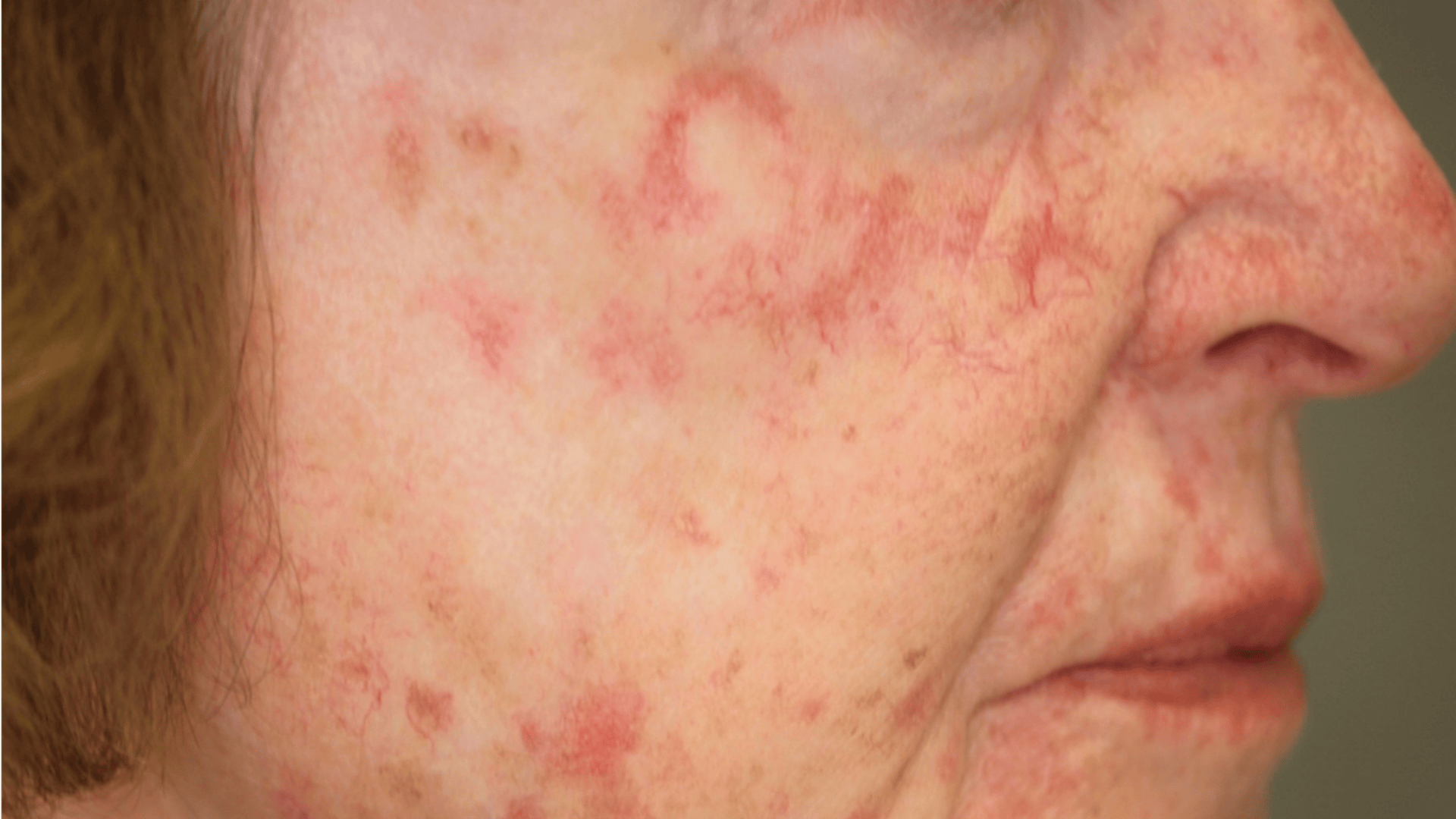
Actinic keratoses (AKs) are common precancerous skin lesions caused by chronic sun exposure. Effective management through the treatment for actinic keratoses is crucial to prevent their progression to squamous cell carcinoma. Among the various treatment options available, topical therapies such as 5-fluorouracil, imiquimod, and ingenol mebutate play a crucial role in both managing and preventing these lesions.
Treatment for Actinic Keratoses: Exploring effective options
Dermatologists use multiple approaches to treat actinic keratoses, including procedural methods like cryotherapy and laser therapy. However, topical treatments provide a non-invasive and effective alternative for widespread lesions, with a lower risk of scarring.
Cryotherapy and laser therapy
Cryotherapy quickly freezes lesions with liquid nitrogen, but it carries risks such as hypopigmentation, particularly in darker skin tones. Laser therapy, including carbon dioxide and erbium YAG laser ablation, precisely removes lesions but is often expensive and may cause pain, redness, and pigmentary changes.
Topical therapies for the treatment and prevention of actinic keratoses
5-Fluorouracil (5-FU)
Dermatologists commonly prescribe 5-fluorouracil (5-FU) for actinic keratoses. This antimetabolite inhibits DNA synthesis, leading to the destruction of abnormal keratinocytes. Patients apply it twice daily for two to four weeks. Although erythema and irritation frequently occur, studies confirm its effectiveness.
Imiquimod
Imiquimod (5% cream) treats superficial lesions on the face and scalp by modifying the immune response. It activates the immune system to eliminate abnormal cells. Patients apply it three times a week for up to 16 weeks, depending on the case. Local inflammation and irritation are expected side effects.
Ingenol mebutate
Derived from the sap of the Euphorbia peplus plant, ingenol mebutate induces inflammation and cell death. Patients use it once daily for two to three days, depending on the treatment area. Its short treatment duration makes it appealing, but common side effects include blistering, crusting, and redness.
Diclofenac sodium for the treatment of actinic keratoses
For those seeking a non-chemotherapeutic option, diclofenac sodium works well. This nonsteroidal anti-inflammatory drug (NSAID) reduces inflammation and promotes keratinocyte apoptosis. Patients apply it twice daily for 60 to 90 days. With fewer side effects, it suits milder lesions.
Combination therapy for actinic keratoses treatment
Combining topical agents enhances efficacy, shortens treatment duration, and reduces side effects. Effective combinations include:
- 5-FU + Imiquimod
- 5-FU + Ingenol Mebutate
These combinations create synergistic effects that improve patient outcomes.
Emerging topical therapies for actinic keratoses
New advancements in topical treatments for actinic keratoses include:
- Topical retinoids, which promote cellular turnover and AK management.
- Resiquimod, a next-generation imiquimod, currently undergoing clinical trials.
These emerging therapies could transform future treatment strategies.
Managing side effects and educating patients
Topical therapies for actinic keratoses often cause irritation, erythema, and crusting. Key management strategies include:
- Moisturizers to reduce dryness.
- Sun protection to prevent exacerbation.
- Patient education on avoiding harsh cleansers and UV exposure during treatment.
- Regular monitoring for severe reactions like blistering and excessive irritation.
Final thoughts
Topical therapies remain essential for the treatment for actinic keratoses, providing effective and minimally invasive options. Selecting the right agent depends on lesion severity, patient preference, and tolerance to side effects. As new therapies emerge, dermatologists can refine treatment strategies to achieve better outcomes.
If you want to learn more, take our UEMS-accredited course, “Topical therapies for the treatment and prevention of actinic keratosis.” Follow the link below for free access to this and hundreds of other courses designed for you.