

Can the microbiota help treat GI symptoms?
Written by Xpeer,
Category: Endocrinology & Diabetes
GI symptoms such as bloating, diarrhea, and abdominal pain affect millions of patients. Emerging evidence highlights the gut microbiota as a key driver and therapeutic target.
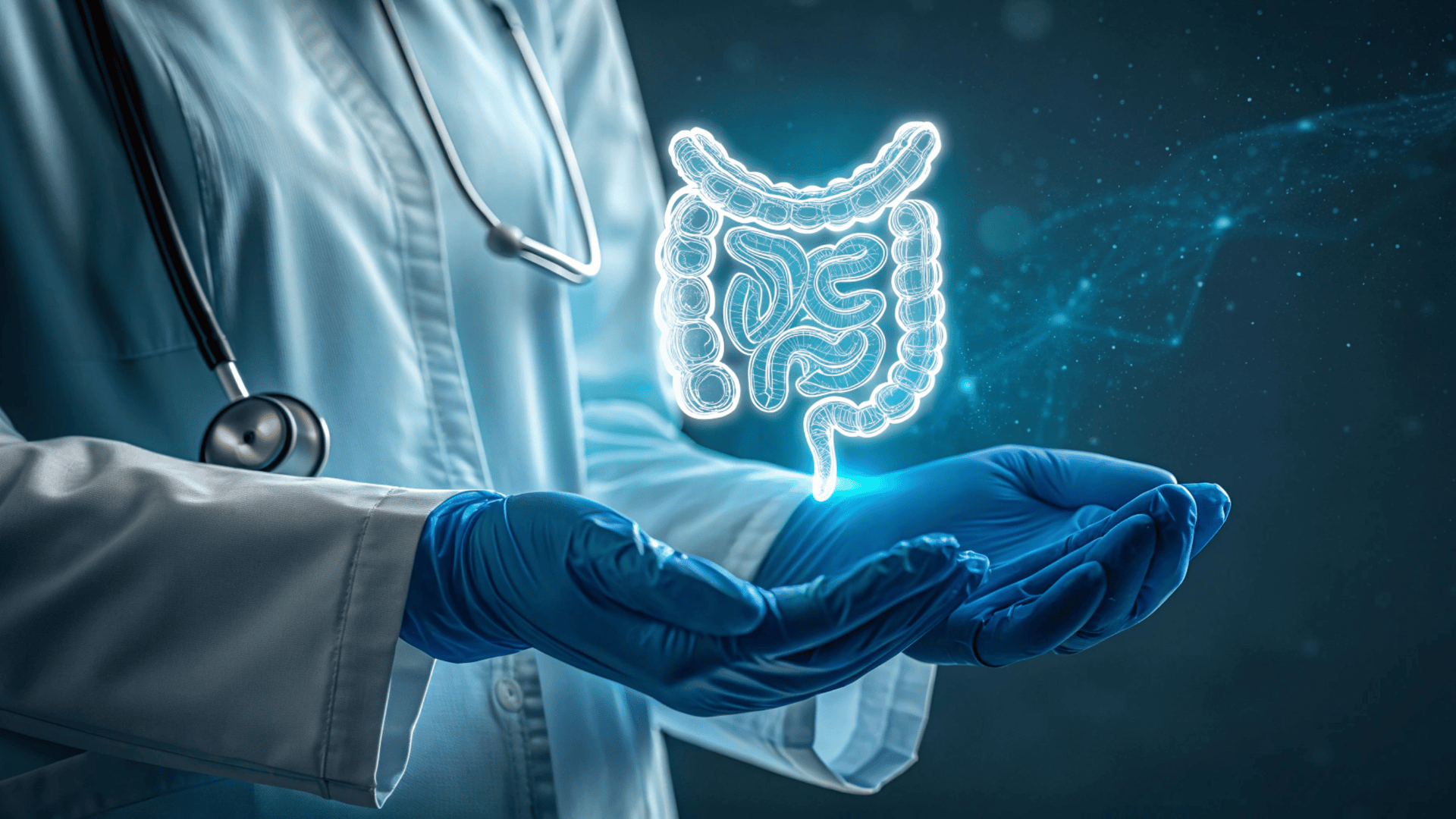
Gastrointestinal (GI) symptoms such as bloating, abdominal pain, diarrhea, or constipation rank among the most frequent reasons for consultation. They reduce quality of life, often without clear structural abnormalities. More evidence now shows that the gut microbiota plays a central role in the origin and persistence of these symptoms.
When symptoms go beyond the visible
Heartburn, reflux, bloating, or altered bowel habits often lack an obvious explanation on endoscopy or imaging. Yet patients continue to experience them daily. This mismatch between clinical findings and patient complaints has shifted attention toward the gut ecosystem. Researchers have shown that dysbiosis, an altered microbial balance, contributes to functional disorders such as Irritable Bowel Syndrome (IBS).
Evidence connecting gut microbiota and GI symptoms
Several findings highlight the link between microbiota and GI symptoms:
- Post-infectious IBS (PI-IBS): Up to one third of IBS cases follow acute gastroenteritis, showing how infections reshape the microbiome.
- Small intestinal bacterial overgrowth (SIBO): IBS patients frequently present with SIBO, and their symptoms improve when treatment restores balance.
- Altered colonic microbiota: Researchers have identified distinct microbial patterns in IBS compared with healthy controls, associated with symptom severity.
- Antibiotic exposure as a risk factor: Frequent antibiotic use disrupts gut microbial communities and increases vulnerability to chronic GI symptoms.
Mechanisms behind GI symptoms
Why does an altered microbiota produce bloating or pain? Several mechanisms explain this:
- Excess fermentation and gas production, which drive bloating and distension.
- Microbiota, diet interactions, for example FODMAPs or lactose fermentation, that worsen symptoms.
- Immune activation and gut barrier dysfunction, which trigger inflammation and hypersensitivity.
- Microbiota, gut, brain signaling, influencing visceral pain and psychological comorbidities such as anxiety or depression.
A note on COVID-19 and GI symptoms
Interest in GI symptoms during and after COVID-19 has increased. Although SARS-CoV-2 mainly affects the respiratory system, many patients also reported diarrhea, nausea, or abdominal pain. As a result, the pandemic highlighted how infections, and related treatments such as antibiotics, can disrupt the microbiota and generate long-lasting digestive symptoms.
What this means for clinicians
For clinicians, the message is clear: do not dismiss GI symptoms as “functional only.” They often reflect complex interactions between host, diet, and microbiota. Therefore, management strategies now expand beyond symptom control to include:
- Targeted dietary interventions, such as the low-FODMAP diet.
- Probiotics and microbiota-directed therapies.
- Selective antibiotics for SIBO in specific contexts.
- Personalized approaches that consider both microbial and clinical profiles.
The gut microbiota has become central to understanding why GI symptoms occur and how physicians can manage them more effectively. In addition, staying updated on this evidence allows clinicians to move beyond symptomatic treatment and toward mechanism-driven care.
The 2025 updated and UEMS accredited version of the course Gut microbiota in the management of gastrointestinal symptoms has just been released on Xpeer. Discover the latest evidence and practical strategies, and bring microbiome science into your daily practice.