

What are the symptoms of RSV in adults?
Written by Xpeer,
Category: Endocrinology & Diabetes
Respiratory syncytial virus (RSV) is increasingly recognized as a significant cause of illness and death among adults in Belgium.Although traditionally associated with infants, RSV in
Respiratory syncytial virus (RSV) is increasingly recognized as a significant cause of illness and death among adults in Belgium.
Although traditionally associated with infants, RSV in adults is a growing concern for healthcare professionals across multiple specialties.
The burden of RSV in adults in Belgium
Recent studies highlight that RSV is a significant cause of hospitalizations and mortality among Belgian adults.
In Belgium, it is estimated that there are more than 50,000 adult RSV cases each year. Over 4,500 of these cases require hospitalization, including some in intensive care units, and in certain instances the outcome is fatal.
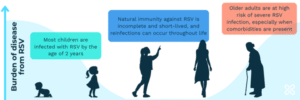
Hospitalization rates increase sharply during RSV season, particularly in older populations and those with chronic illnesses.
This trend highlights the importance of early identification and prevention strategies.
Who is most at risk?
Not all adults face the same risk from RSV. Those with chronic lung disease, chronic heart conditions, or metabolic disorders are more likely to develop severe illness. Immunocompromised adults also face a significantly higher risk of complications. Older age is a major factor, with seniors being more vulnerable to hospitalization and poor outcomes.
Symptoms to watch for
Recognizing the symptoms can be challenging, as they often resemble other respiratory infections.
Common signs include:
- Persistent cough
- Shortness of breath
- Wheezing
- Fever
- Fatigue and weakness
In high-risk patients, symptoms can progress quickly to severe lower respiratory tract disease, requiring hospitalization.
RSV season is approaching
RSV infections in Belgium typically peak during the colder months. This seasonal pattern means healthcare professionals have a narrow window to prepare and protect vulnerable patients. Preventive measures, especially vaccination, should be implemented before RSV activity intensifies.
As healthcare professional, are you ready?
The growing impact of RSV in adults raises an important question: are clinicians truly prepared for the next RSV season?
The latest evidence, guidelines, and vaccine data are essential tools for effective prevention. On Xpeer, you can access an updated expert-led eLearning session on RSV prevention in adults in Belgium, available in both Dutch and French and UEMS accredited.
Prepare now to protect your high-risk patients this RSV season.