

Digital Transformation in Medical Education with AI & VR
Written by Zayra Otero,
Category: Digital Health & Omnichannel
AI, VR, and hybrid models are revolutionizing medical education, enhancing accessibility and personalization. Digital tools optimize training, and hybrid models shape the future. The transformation is here to stay.
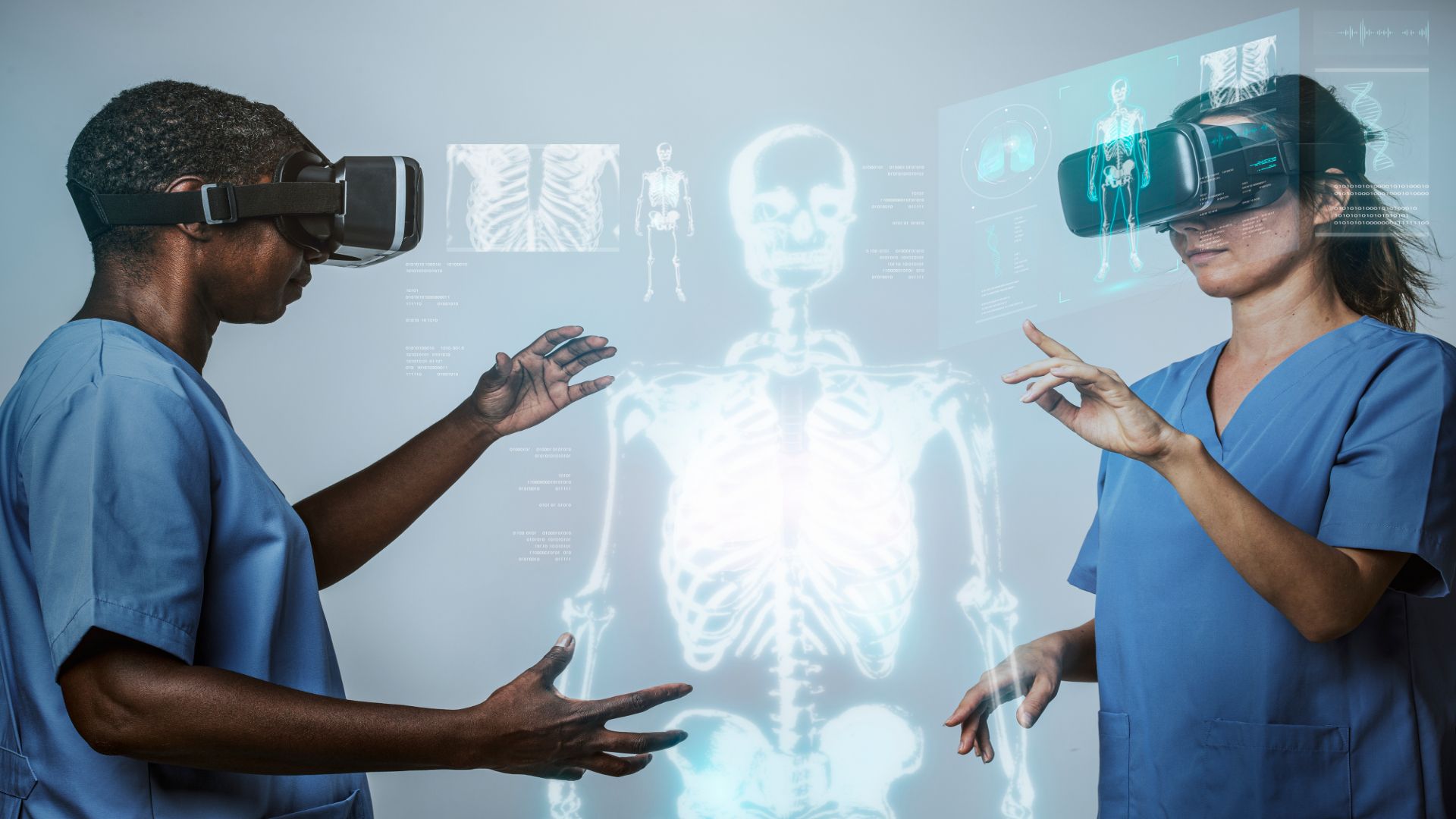
How Technology is Revolutionizing Medical Education
The medical education landscape is undergoing a profound transformation, shifting from traditional classroom-based learning to cutting-edge digital platforms. Advances in AI, virtual reality (VR), and hybrid education models are revolutionizing the way future pharmacists and researchers are trained. But how did we get here? And what lies ahead?
📚 The Shift from Traditional to Digital Medical Education
For decades, medical education relied heavily on in-person learning. Students attended lectures, engaged in laboratory experiments, and benefited from direct mentorship.
Traditional Medical Training: Strengths and Limitations
- Strengths of Conventional Medical Learning
- Hands-on training: Laboratory sessions allowed students to practice drug formulation and learn critical techniques.
- Face-to-face interaction: Real-time mentorship fostered better understanding and personal connections.
- Structured schedules: A disciplined approach ensured students stayed on track academically.
- Challenges of traditional learning:
- Geographical barriers: Students often had to relocate to attend top-tier institutions, creating accessibility issues.
- High costs: Tuition fees, travel, and accommodation made education inaccessible for many.
- Rigid scheduling: Traditional education frequently lacked flexibility, which was challenging for working professionals.
As these challenges became more apparent, the need for more inclusive and flexible solutions paved the way for digital transformation.
🔥 Key Drivers of Digital Learning in Medical Education
- The COVID-19 pandemic: The pandemic was a wake-up call for educational institutions, forcing a rapid shift to online learning. This transition not only addressed immediate needs but also unveiled the long-term benefits of digital platforms. A study in the Journal of Risk and Financial Management analyzed the evolution and adoption of e-learning technologies before and after the COVID-19 pandemic. The research highlighted that the pandemic significantly accelerated the adoption of e-learning across various sectors, including healthcare education. Additionally, a 2023 study in Sustainability reviewed challenges and limitations in online learning acceptance and adoption over the past decade. It found that the pandemic prompted educational institutions to rapidly implement online learning, addressing immediate needs and revealing long-term advantages of digital platforms.
- Advances in AI and virtual learning technologies:
- AI-powered learning paths adapt coursework based on students’ progress, creating personalized experiences.
- A McKinsey report notes that VR is particularly useful for simulating scenarios that are difficult to replicate safely in real life, thereby building muscle memory and enhancing practical skills
- Increasing demand for flexibility: Modern learners—students and working professionals—prefer education that fits their schedules. Digital platforms now provide 24/7 access to learning materials, eliminating geographical and time constraints.
🚀 The Rise of Digital Learning for Healthcare Professional
Benefits of Online Medical Education Platforms
- Flexibility & accessibility: Students can access classes and resources from anywhere in the world, accommodating diverse schedules and locations.
- Cost-effectiveness: Digital learning reduces costs for both students and institutions, cutting down on expenses for physical infrastructure, travel, and materials.
- Personalized learning experiences: AI systems identify areas where students struggle and adapt content to their needs, boosting engagement and retention rates.
- Enhanced engagement through gamification: Interactive features like gamified modules and virtual simulations keep students motivated and eager to learn.
Innovative Tools Reshaping Medical Education
- AI-driven content: Algorithms that personalize study materials.
- Virtual simulations: VR environments for clinical practice without real-world risks.
- Digital assessments: Platforms that offer instant feedback and progress tracking.
⚠️ Challenges in the Digital Transformation of Medical Education
Despite its potential, digital education comes with its own set of challenges:
- The digital divide: Not all students have access to high-speed internet or advanced devices, particularly in developing regions. A World Bank study (2023) reports that 40% of students in low-income countries face significant connectivity issues.
- Maintaining engagement: Unlike in-person learning, virtual environments require innovative strategies like gamification and dynamic content to keep students focused.
- Assessment integrity: Ensuring the credibility of online exams remains a concern. Advanced AI-driven proctoring systems and blockchain-based certifications are emerging solutions.
🔮 The Future of Hybrid Medical Learning Models
The future of pharmaceutical education lies in hybrid models that blend the best of in-person and digital methods. This approach offers:
- Real-time feedback with AI tutors: Students receive instant guidance tailored to their individual needs.
- Blockchain-based credentialing: Secure and verifiable certifications, increasing trust and transparency.
- Immersive training with VR and AR: Risk-free, hands-on experiences simulate real-world scenarios.
By embracing this hybrid model, institutions can provide a comprehensive, flexible, and accessible education, ensuring that future HCPs are well-prepared for the industry.
Want to Dive Deeper?
- Watch Our Expert Webinar: “Online vs. In-Person: Challenges & Opportunities in Medical Education”
- Read our article: AI and Machine Learning in Pharma: Redefining Medical Education
- Read our article: Digital Transformation In The Pharmaceutical Industry